Plan a little
September 12, 2026
Meal Prep Without Soggy Leftovers
Meal prep without soggy leftovers: what to cook ahead, what to keep apart, how to pack salads, grains, and soups, and how to reheat without the mush.
Soggy lunches are rarely a recipe problem. They're a packing problem. Meal prep without soggy leftovers comes down to one idea: cook the sturdy parts ahead, and keep anything wet or crunchy separate until you're ready to eat. Here's what to cook on Sunday, what to keep apart, and how to reheat it so Thursday's lunch tastes close to how it did on day one.
Where the Sog Comes From
- Trapped steam. Snap a lid on hot food and the steam turns right back into water.
- Sauces and dressings. They soak in overnight.
- Pasta in soup. Noodles keep drinking broth long after the pot's off the stove.
- Crunchy toppings stored with anything moist. Goodbye, crunch.
- Watery vegetables. Cucumbers and tomatoes leak into everything next to them.
Meal Prep Without Soggy Leftovers: Cook Ahead vs. Keep Apart
| Cook ahead and pack together | Keep separate until you eat |
|---|---|
| Roasted vegetables | Dressings and sauces |
| Rice, quinoa, farro | Pasta or noodles for soup |
| Sliced or shredded chicken | Chips, nuts, croutons |
| Meatballs | Fresh herbs and lime |
| Soup and chili (no pasta) | Avocado |
| Bean and grain salads | Leafy greens |
| Hard-boiled eggs | Cucumber and tomato for hot bowls |
Soups: Keep the Noodles Out
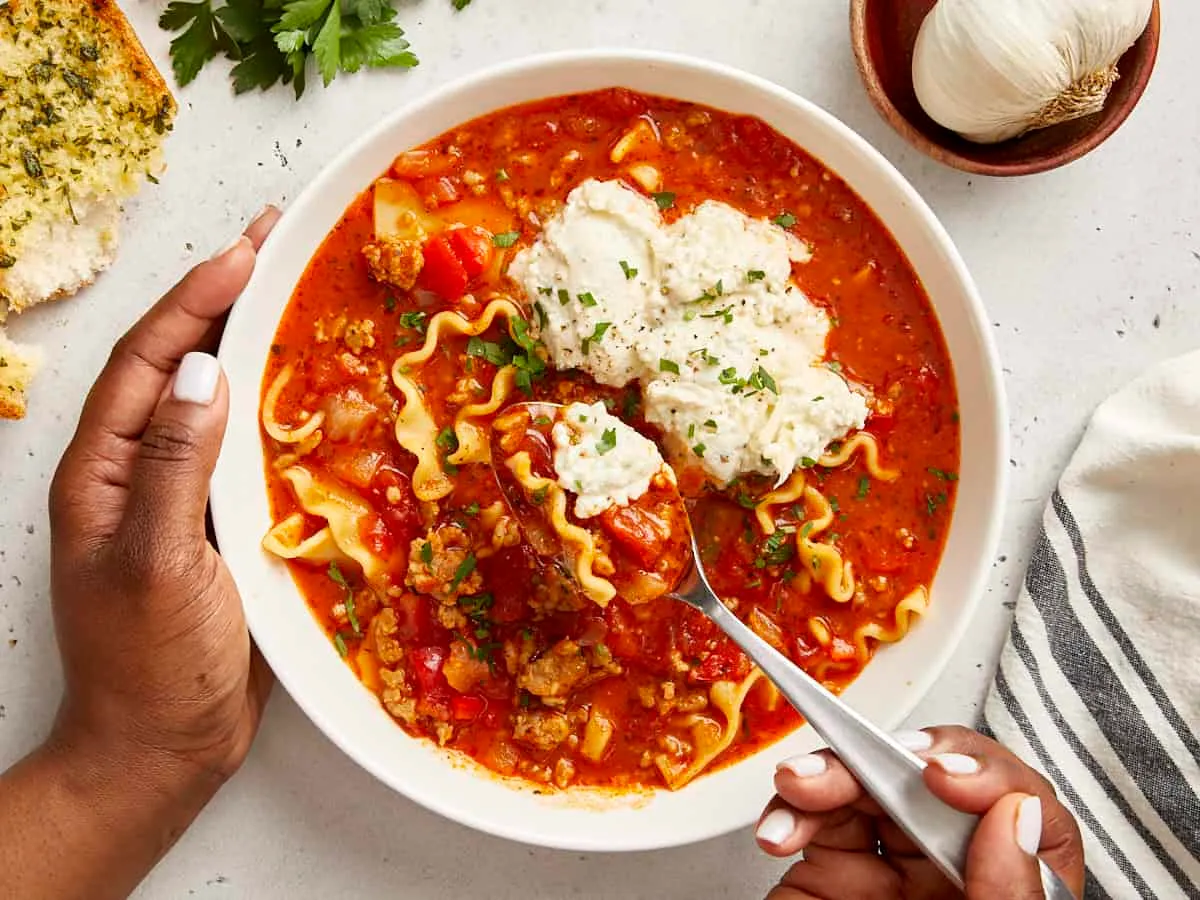
By day two, soup with pasta in it is thick and the pasta is mush. Cook the noodles on their own, store them in a separate container, and combine them as you reheat. It works for lasagna soup, crockpot minestrone, and crockpot sausage tortellini soup.
Salads That Stay Crisp
- Get the greens bone-dry. Spin them, then pat them with a towel.
- Dressing goes in its own little cup.
- Heavy and wet on the bottom, greens on top. Beans, grains, and tomatoes go first.
- Add crunchy stuff the day you eat.
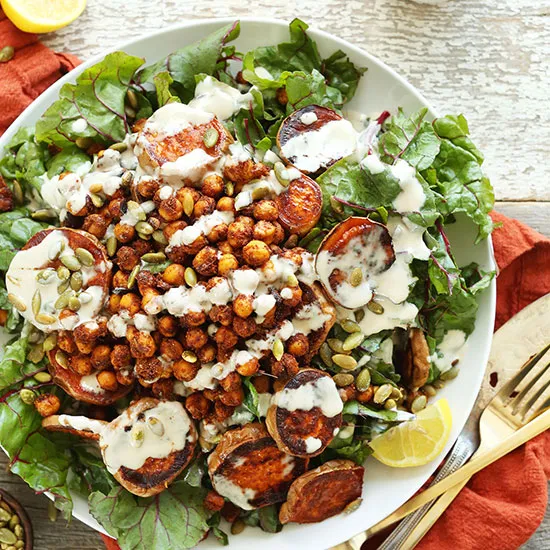
Grain and bean salads hold up far better than leafy ones. The chickpea cucumber feta salad and a roasted sweet potato and chickpea salad are both good bets.
Rice and Grain Bowls
- Cook rice a touch firmer than usual. It softens as it sits and again when you reheat.
- Spread hot rice on a sheet pan so it cools fast instead of steaming into a clump.
- Keep the sauce in a cup and add it right before reheating.
- Sprinkle a spoonful of water over rice before microwaving so it doesn't dry out.
Proteins That Stay Juicy
- Don't overcook. Pull chicken as soon as it hits 165°F.
- Slice right before packing, or leave pieces whole until the day you eat.
- Add a spoonful of sauce or pan juices to each container.
- Marinate first. A Greek chicken marinade keeps chicken moist and flavorful through the week.
Packing It Right
- Let hot food stop steaming, about 10–15 minutes.
- Portion into shallow containers so it cools quickly.
- Lid on once the steam stops, and into the fridge within 2 hours of cooking.
- Date everything. Most meals keep 3–4 days.
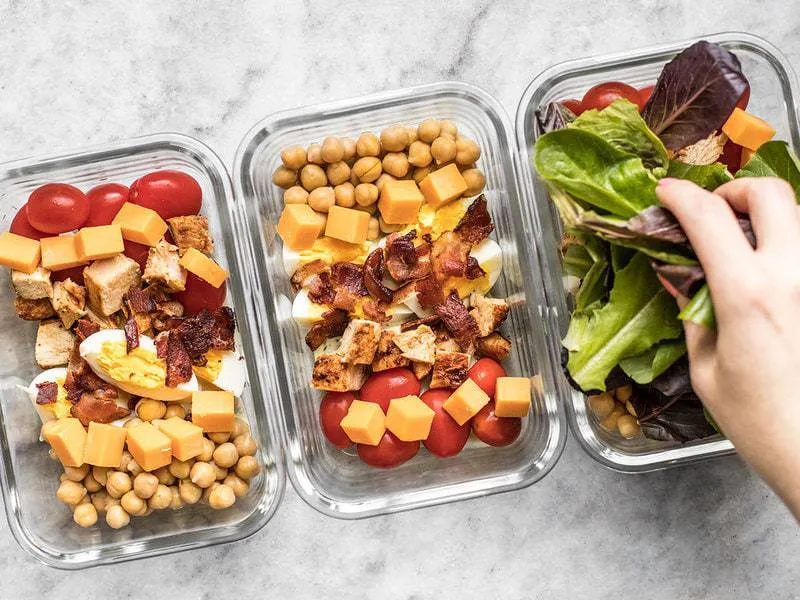
Divided containers keep rice, protein, and vegetables from mingling. Tiny 2-ounce cups are perfect for dressing and salsa. Zip-top bags handle chips and crackers.
Reheating Without the Mush
| Food | Best way to reheat |
|---|---|
| Rice and grains | Microwave, covered, with a splash of water |
| Chicken and meatballs | Microwave at 70% power, covered, with a little water |
| Roasted vegetables | Air fryer at 375°F for 3–5 minutes, or a hot skillet |
| Soup | Stove or microwave, loosened with broth |
| Anything crispy | Air fryer or oven, never the microwave |
Whatever the method, reheat until it's steaming hot all the way through (165°F).
Just Make These Fresh
Some foods won't survive a few days in the fridge no matter what you do:
- Fried and breaded foods. If you must prep them, re-crisp in the air fryer.
- Cut avocado. It browns in hours. Pack a small whole one and slice it at lunch.
- Dressed leafy salads. Keep the dressing out. Every time.
- Pasta in cream sauce. It thickens and separates. Store sauce and pasta apart.
Breakfast That Gets Better Overnight
Overnight oats actually improve as they sit. Just add banana or other soft fruit in the morning so it doesn't brown. Hard-boiled eggs keep up to a week in the fridge if you leave them in their shells.
Cook's Tips
- Line containers with a paper towel for greens. A folded paper towel on top of salad greens soaks up extra moisture and buys you an extra day or two of crispness.
- Undercook vegetables slightly. Roast broccoli and green beans until just tender. They soften a bit more every time you reheat.
- Salt cucumbers and tomatoes before packing cold salads. Toss them with a pinch of salt, let them drain 15 minutes, and pat dry. Less water ends up in the container.
For recipes that reheat well, see meal prep crock pot recipes.
Quick Questions
Should I let food cool before putting the lid on?
Yes, until it stops steaming, about 10–15 minutes. Then cover and refrigerate within 2 hours. Trapped steam turns into water.
What foods don't hold up well?
Dressed leafy salads, fried or breaded foods, pasta sitting in soup, cut avocado, and cucumber mixed into hot food.
How long does meal prep last?
Most cooked meals keep 3–4 days in the fridge. Freeze anything you won't get to by then.
What's the best container?
Glass with a tight lid for hot meals, plus divided containers or small cups to keep wet and dry parts apart.
Recipes in this note